
Spring is one of the most important times of year to inspect your metal roof. After months of weather stress — whether that’s snow and ice, wind and hail, or humidity and freeze-thaw cycles — the transition into spring is the right moment to assess damage, clear debris, and get ahead of costly repairs before summer storms arrive.
This checklist is built for homeowners, farmers, and contractors maintaining homes, barns, pole buildings, machine sheds, and livestock shelters.
1. Check for Loose or Missing Fasteners
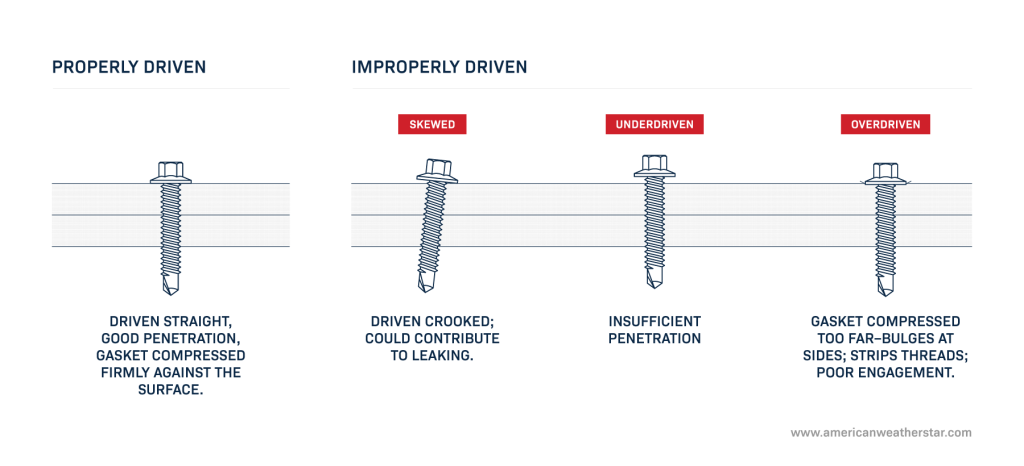
Seasonal temperature swings cause metal to expand and contract, gradually loosening exposed-fastener systems over time. On Ag Panel and PBR panel buildings, inspect for:
- Backed-out or missing screws
- Misshapen or cracked washers
- Fasteners driven at an angle
Even a handful of loose screws can open the door to significant leaks once spring rains pick up.
2. Inspect Flashings & Trim
Flashing failures are among the most common sources of roof leaks, regardless of climate. Check all transition points:
- Rake and eave trim
- Ridge caps
- Chimney and vent pipe flashing
- Roof-to-wall intersections
Every piece should be properly seated, correctly sealed, and securely fastened. High winds and severe weather can compromise trim faster than most expect.
3. Examine Closure Foam & Ridge Venting
Closure foam is your first line of defense against wind-driven rain, pests, and debris infiltration. Inspect for:
- Missing sections or compression
- Gaps or deterioration along the ridge and eave
For barns and ag buildings, this step is especially critical in spring, when birds, rodents, and insects begin actively seeking entry points.
4. Look for Panel Damage or Wear
Inspect panels for physical damage caused by winter weather, hail, or windblown material:
- Cracks, dents, or bent panel ribs
- Scratches from falling branches or equipment
- Any exposed substrate
Surface scratches should be treated with matching touch-up paint immediately to prevent corrosion from taking hold.
5. Clean Valleys & Gutters
Debris accumulation in valleys and gutters restricts water flow and accelerates panel degradation. Agricultural buildings are particularly prone to collecting:
- Straw, hay dust, and feed particles
- Windblown debris and rodent nests
Clear drainage is non-negotiable heading into spring storm season.
6. Inspect Pipe Boots
Pipe boots take a beating in any climate. Cold makes rubber brittle; heat and UV exposure cause shrinkage and seal failure. Look for:
- Cracking or visible gaps around the pipe
- Shrinkage pulling away from the panel
- Loose or missing fasteners
Pipe boots are consistently one of the most common spring leak points across all building types.
7. Check Attic or Loft Ventilation
Inadequate ventilation creates moisture problems year-round, but the stakes are especially high heading into summer. Poor airflow leads to:
- Condensation and mold buildup
- Wet or deteriorating insulation
- Rot around purlins and structural members
In livestock and barn structures, interior humidity rises quickly as temperatures climb. A properly installed ridge vent system is essential for managing that load before it causes lasting damage.
8. Look for Interior Signs of Moisture
Don’t wait for a visible drip to take action. Inside the building, look for:
- Water stains or discoloration on ceilings and walls
- Moisture lines on interior framing
- Corrosion on metal trusses or purlins
Small leaks that went unnoticed through winter can escalate quickly under spring rain volume.
A Simple Inspection Protects a Major Investment
A thorough spring inspection takes less than an hour but can prevent thousands of dollars in repairs down the road. Staying ahead of wear and weather damage is the most cost-effective maintenance decision you can make.
Have questions about repairs, panel replacement, or sourcing matching materials? Contact your local Champion Metal Supply team — we stock the panels, trim, fasteners, and accessories you need to get the job done right.