
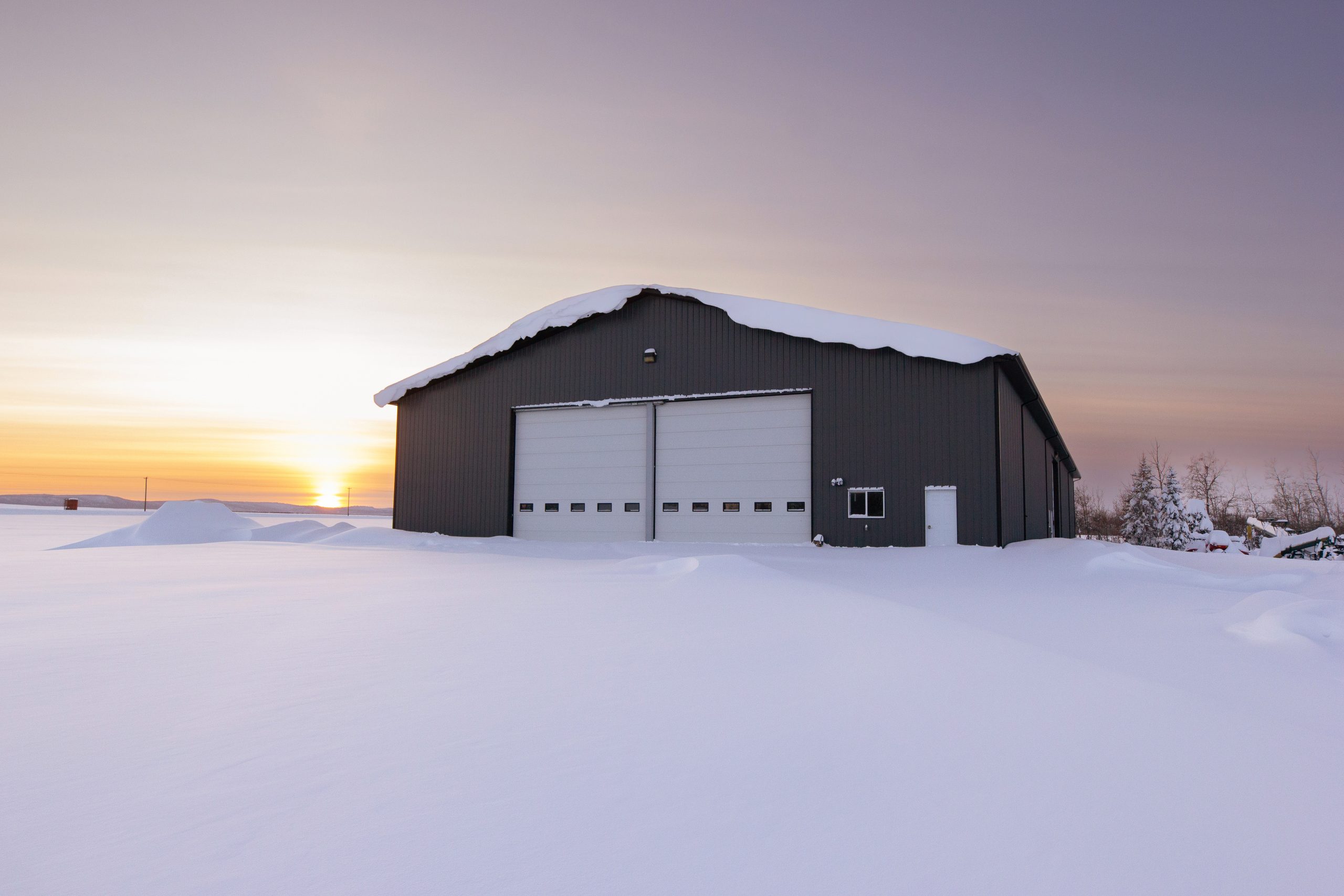
Metal roofing is known for its durability, longevity, and winter weather performance—especially in cold regions like the Midwest. But even the strongest roofing material relies on one key component to function at its best: proper ventilation.
One of the most effective ways to achieve balanced airflow in a metal roofing system is through a vented ridge system. In cold climates, where snow, ice, and temperature swings are a constant challenge, vented ridge systems play a critical role in controlling moisture, improving energy efficiency, and extending the life of the roof.
In this article, we’ll break down how vented ridge systems work, why they’re essential for winter, and what homeowners and contractors should consider when choosing the right system.
Why Ventilation Matters in Cold Weather
During winter, warm air from inside a building naturally rises. When it reaches the roof deck, that warm, moisture-filled air needs a place to escape. Without proper ventilation, it becomes trapped—leading to:
- Condensation buildup
- Ice dams & snow melt problems
- Mold & mildew in attic spaces
- Premature roof deck deterioration
A vented ridge creates a controlled exhaust point along the peak of the roof, allowing warm air to escape while drawing cool, dry air in from soffit or eave vents. This maintains a balanced airflow and reduces temperature fluctuations that contribute to winter roof issues.
Benefits of Vented Ridge Systems in Cold Regions
1. Prevents Condensation
Cold surfaces + warm indoor air = moisture.
Over time, this trapped condensation can lead to rot, rust, and insulation damage. Venting allows moisture to escape safely.
2. Reduces Ice Dam Formation
Ice dams occur when snow melts on the roof surface, runs down, and refreezes at the colder overhang. Proper ventilation keeps roof temperatures consistent, reducing melt/refreeze cycles.
3. Improves Energy Efficiency
A balanced airflow helps maintain a stable attic temperature, reducing strain on heating systems and lowering energy costs.
4. Extends Roof & Structure Lifespan
Moisture is one of the biggest enemies of building longevity. Vented ridge systems protect metal panels, decking, insulation, and structural framing.
5. Enhances Indoor Air Quality
A dry attic means reduced risk of mold growth—important for homes, agricultural buildings, workshops, and commercial spaces.
What Makes a Good Vented Ridge System?
When selecting ventilation products for metal roofs, contractors should consider:
| Feature | Why It Matters |
| Weather-resistant design | Prevents snow, rain, and debris entry |
| Compatible with metal panel profiles | Ensures proper fit & airflow |
| Durable materials | Withstands freeze/thaw cycles & long-term wear |
| High airflow rating | Supports balanced intake/exhaust ventilation |
| Simple installation | Saves time and reduces jobsite labor cost |
Products like vented closure foam, SmartVent, throat ventilator systems, and vented ridge trims help create a reliable and continuous ventilation path along the roof peak.
Where Are Vented Ridge Systems Most Beneficial?
- Residential homes with attic spaces
- Agricultural buildings storing livestock or feed
- Machine sheds & workshops
- Commercial structures with heated interiors
- Buildings using metal as both roof & wall systems
In any heated structure—especially in regions with snow loads—ventilation is not optional. It is part of a healthy roof system.
Signs a Roof May Need Better Ventilation
- Frost buildup on roof decking
- Musty smell in attic or barn loft
- Visible moisture on insulation
- Ice dams forming along eaves
- Excessively warm attic in winter
If these symptoms are present, a vented ridge system may be a necessary upgrade.
Final Thoughts
Metal roofs are an excellent choice for cold climates—but like any roofing system, they rely on the right components to perform well long-term. A vented ridge is a simple addition that makes a powerful difference:
- Reduces ice dams
- Controls condensation
- Improves energy efficiency
- Extends roof lifespan
By pairing a metal roof with a properly designed ventilation system, homeowners and builders can ensure strong performance through even the toughest Midwest winters.